


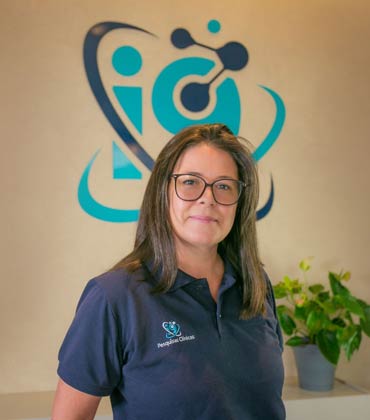
 Carolina Fass, Executive Director
My journey into clinical research began during undergraduate studies in Pharmaceutical Sciences. Interested in research and scientific development, I applied for a trainee position and was selected as a Clinical Research Coordination Assistant in Cardiology. After three years, I graduated and continued my career in clinical research.
When I started, clinical research in Brazil was concentrated in specialized sites and investigators. Technology was limited and processes were manual. We worked with paper Case Report Forms, used IVRS systems by telephone and sent documents by fax or courier. Despite those challenges, purpose remained: contributing to therapies that improve and save lives.
Over the years, I witnessed therapies that transformed cardiovascular medicine, including statins like rosuvastatin and atorvastatin, antiplatelets like clopidogrel, prasugrel and ticagrelor, angiotensin receptor blockers such as telmisartan and anticoagulants including rivaroxaban and apixaban. Seeing them move from trials into routine practice remains a strong motivation.
My perspective evolved from seeing clinical research as evidence generation and treatment access into seeing it as a fundamental driver of healthcare innovation. It shapes clinical practice, improves outcomes, supports evidence-based decisions, advances knowledge, expands access to innovative treatments and strengthens healthcare systems.
Technology transformed the field. What was paper-based and labor-intensive has become digital, efficient and data-driven. Electronic data capture, remote monitoring, analytics and artificial intelligence have improved trial quality, accuracy and speed, allowing researchers to focus on scientific excellence, patient safety and reliable, actionable data.
Today, I remain motivated by the same purpose: contributing to medical progress and improving patients' lives. After two decades, I better appreciate its impact on science, innovation, standards of care and global health outcomes.
Modern Trial Challenges: Integrating People, Process and Technology
One significant challenge today is the rapid availability of information. Patients access high-quality science, but also misinformation and inaccurate health content. They often arrive at sites with preconceived, sometimes non-evidence-based opinions, making patient management more complex.
The informed consent process now requires more time so patients understand the study, risks, benefits and scientific rationale. Patient retention has also become more challenging because constant information can influence perceptions or willingness to remain in a trial. Building trust, maintaining engagement and ensuring ongoing understanding are essential.
Operationally, the landscape changed. Clinical research in Brazil once involved a small number of specialized centers and investigators. Today, a broader ecosystem includes sites, investigators, sponsors, CROs and service providers. This growth expanded capacity and accelerated innovation, but created larger regional and organizational teams.
Staff turnover at sites and sponsor organizations can affect continuity, training, communication and institutional knowledge, challenging data quality. Protocols are also more complex, with more procedures, data points and stringent regulatory and safety requirements. Digital technologies, remote monitoring, centralized analytics and AI improve efficiency and oversight, but demand specialized training and expertise.
Maintaining high-quality data while ensuring patient safety requires balance between innovation and human oversight. Technology can identify trends, detect anomalies and streamline workflows, but success depends on trained teams, communication, site-sponsor partnerships and a patient-centered approach.
In my view, the greatest challenge is not lack of technology but the ability to integrate people, processes and technology while keeping patients at the center. Clinical research is faster, more sophisticated and global, but trust, data integrity and participant safety remain the responsibilities defining trial success.
Reliable Evidence: Human Expertise Still Guides Technology
As studies become more complex, technology, standardized processes and multidisciplinary expertise are essential for data quality and reliable evidence. Twenty-five years ago, research was paper-based and manual. Today, sites use electronic data capture, integrated platforms, remote monitoring, data review and analytics. These tools improve accuracy, traceability and timeliness, reduce transcription errors and identify issues earlier.
Standardized processes improve quality. SOPs, risk-based quality management, regulatory harmonization and global standards ensure consistency across sites and studies. Data are collected and reported more uniformly, increasing reliability and regulatory acceptability.
Multidisciplinary teams are important. Clinical research relies on investigators, coordinators, research nurses, pharmacists, laboratory professionals, data managers, regulatory specialists, quality assurance teams, project managers, statisticians and technology experts. Collaboration strengthens protocol implementation, problem-solving, safety oversight and evidence quality.
Technology is no longer confined to research sites. It is part of patients' daily lives and direct participation. Many studies use electronic Clinical Outcome Assessments, electronic patient-reported outcomes, medication diaries, wearable devices and point-of-care technologies requiring patients to record information from home, sometimes several times daily during symptoms.
These innovations capture data closer to the patient's actual experience, reducing recall bias and clarifying treatment effects in real-world settings. They also create challenges. Data quality depends not only on site personnel, but on the patient's ability and willingness to use technology correctly.
This is especially challenging for older populations facing difficulties with digital tools, vision, dexterity, cognition or access. Research teams must focus on training, support, usability and adoption strategies to ensure completeness and reliability.
Analytics and AI help centers manage large data volumes, identify trends, detect anomalies, support risk-based monitoring and enable proactive decision-making. However, technology alone is insufficient. The greatest value comes from combining innovation with experienced professionals who interpret data, apply judgment and maintain safety.
The most successful sites integrate people, processes, technology and patient engagement. Even in an increasingly digital world, the human element remains critical.
Clinical Trial Balance: Quality Aligns Every Stakeholder
Clinical research brings together stakeholders with different priorities. Patients seek therapy access, communication, convenience and safety. Investigators focus on science and care. Sponsors need reliable data, timely execution, compliance and efficient resources. Regulators and ethics committees expect patient protection and scientific integrity.
-
Successful clinical research is achieved when scientific rigor, technological innovation and patient-centered care work together toward a common goal.
Balancing these needs requires a patient-centered approach without compromising rigor. All stakeholders ultimately converge around one goal: generating reliable evidence that improves outcomes.
For patients, participation must be manageable and meaningful. As trials become more complex, teams must invest in education, informed consent, engagement and support, especially as patients use eCOAs, electronic diaries, wearable devices and point-of-care technologies at home. These tools capture real-world and real-time data, but require active participation. Ensuring patients understand them is essential for compliance and data quality.
For investigators and site teams, operational efficiency depends on clear processes, training and communication. Standardized procedures, risk-based quality management and digital technologies streamline operations while preserving protocol compliance and safety. Sites also need flexibility to address patient needs and study realities.
For sponsors, transparency, proactive communication and collaboration matter. Sponsors rely on sites for accurate, timely data, while sites depend on clear expectations, support and responsive decisions. A true partnership helps prevent issues, resolve challenges and maintain momentum.
Modern trial complexity matters. Demanding protocols, greater data requirements, vendors and technologies, plus staff turnover across centers, CROs and sponsors, can affect continuity. Training, knowledge transfer and documentation are essential to ensure consistency and quality.
Balance is achieved through collaboration, communication and quality. Scientific rigor and operational efficiency should not compete. When processes are designed, teams trained and patients engaged, studies can generate high-quality evidence and a positive research experience. The most successful studies align everyone toward advancing science and improving patients' lives.
Latin America Growth: Innovation Expands Patient Access
Clinical research across Latin America is entering an exciting period of growth. The region has long offered diverse populations, experienced investigators, strong science and high-quality data. However, regulatory complexity and lengthy approvals limited its potential.
Brazil is attractive for clinical research investment. The new Clinical Research Law has streamlined regulatory processes and reduced timelines and administrative complexity. Prolonged timelines once discouraged sponsors from including Brazil in global programs or delayed initiation. Today, the environment is more favorable, creating opportunities for sponsors and research institutions.
We see increased sponsor interest and more clinical studies directed to Brazil. I believe this will continue as pharmaceutical and biotechnology companies seek high-quality environments capable of supporting complex development programs.
At I9, we are preparing for this reality. Growth requires centers to scale responsibly while maintaining quality and patient safety. This includes expanding and continuously training teams, strengthening operations and investing in infrastructure and technology to support a larger study portfolio.
Modern trials require multidisciplinary expertise, digital capabilities and patient engagement strategies. Our preparation is focused on capacity, quality, efficiency and innovation across study conduct.
Most importantly, this growth represents a tremendous opportunity for patients. Increased research investment means greater access to innovative therapies, advanced care and cutting-edge options. For patients, trials provide early access to life-changing therapies while contributing to medical science.
That is the driving force behind everything we do at I9. We are committed to supporting sponsors and advancing high-quality research, but our primary motivation remains creating opportunities for patients to access innovative treatments and contributing to therapies that improve and save lives. As Latin America's clinical research landscape evolves, I9 is positioned to bring innovation, scientific excellence and new therapeutic options to patients who need them most.
Evaluating Pharmaceutical Clinical Research Solutions in Latin America
Clinical research in Latin America has grown steadily in recent years. However, sponsors entering the region consider more than just patient volume. Study performance often depends on operational details that only become clear once a trial starts. These include the speed of approvals, the accuracy of enrollment assumptions and the consistency of communication among research teams as timelines tighten.
“i9 Pesquisas Clínicas works in the middle of those day-to-day pressures.”
Many delays occur before the first participant is enrolled. Start-up documents can take time to move between review bodies. Recruitment estimates may weaken as inclusion criteria become more specific. Communication gaps between sponsors, coordinators and investigators can lead to setbacks that affect later phases of a study. As a result, sponsors are paying closer attention to how research organizations manage execution at the site level.
Sponsors usually notice the difference early. Some research sites move studies forward efficiently once activation begins. Others spend weeks going back and forth on documentation, revisions and enrollment assumptions that were never realistic to begin with. A protocol can look solid during feasibility and still slow down later when patient availability turns out to be smaller than expected. Across Latin America, even minor differences in approval pathways or reporting requirements between countries can affect how quickly a study gets underway.
“Study performance often depends on operational details that only become clear once a trial starts.”
Recruitment adds another level of unpredictability. Fields like cardiology, pulmonology, endocrinology, gastroenterology and dermatology may seem to have large patient pools, but eligibility criteria have become much stricter. Sites cannot depend on outreach alone. Enrollment often relies on how well coordinators prescreen patients, how actively physicians engage and whether participants remain committed once the study starts. Research groups with established physician relationships usually find it easier to maintain steady enrollment because the referral process already fosters familiarity and trust.
Study complexity has also changed how sponsors assess research partners. Modern trials generate large amounts of clinical and safety data. Sponsors now expect this information to be documented accurately and reported promptly. Small reporting issues or protocol deviations can become bigger problems later if communication among coordinators, investigators and sponsors is not carefully managed from the beginning.
Brazil’s regulatory landscape has changed as well. Recent reforms aimed at reducing approval delays have made the country more attractive for global clinical programs. Research organizations that adapted early to these changes while keeping stable internal processes are now better positioned to support faster study activation without adding extra operational strain later in the trial.
i9 Pesquisas Clínicas works in the middle of those day-to-day pressures. Operating from Campinas, Brazil, the company supports Phase II, III and IV studies across several therapeutic areas. Its positioning appears to rest less on volume and more on execution discipline, including careful prescreening, continuity across study teams and a low-deviation operating model. A large part of that work comes down to coordination. Recruitment timelines need constant adjustment. Patients require follow-up. Sponsors, investigators and coordinators all need updates at different stages of the study, often simultaneously. i9’s long-tenured team structure is part of that reliability, helping studies move with less operational noise once recruitment and site activity begin. Its structure is built to keep those moving parts aligned while maintaining the reporting and documentation standards sponsors expect during active clinical programs.
...Read more
